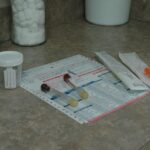

When a driver takes a DOT physical, one of the required tests is a urinalysis. This quick test checks for several things, including sugar, blood, and protein levels in the urine. Protein in the urine, called proteinuria, can be an early sign that the kidneys aren’t functioning properly. While it doesn’t automatically mean a driver will fail their physical, it’s something the medical examiner takes seriously and may need to evaluate further before issuing a medical card.
Proteinuria can occur for several reasons. Sometimes it’s temporary, caused by dehydration, strenuous exercise, fever, or stress. However, persistent protein in the urine can signal more serious conditions like high blood pressure, diabetes, or kidney disease. Because the kidneys play a major role in filtering waste and maintaining fluid balance, any potential issue with kidney function is important to assess before clearing a driver for duty.
If protein is detected during your DOT physical, the examiner may ask additional questions or recommend follow-up testing. This can include a repeat urinalysis, a blood pressure check, or a referral to your primary care provider. The goal isn’t to disqualify you, but to make sure any underlying issue is addressed before it affects your health and ability to drive safely. Many times, mild or temporary proteinuria resolves quickly with rest, hydration, and medical follow-up.
At DOT On The Spot, we understand that drivers rely on passing their DOT physical to stay on the road. That’s why our certified medical examiners take the time to explain your results and what they mean. If protein shows up in your urine, we’ll guide you on the next steps so you can get the proper care, stay compliant, and return to work safely. Your health and safety matter, and we make the process as straightforward and stress-free as possible.