Driver Honesty During DOT Physicals: What Safety Managers Should Know

Your drivers may be afraid to tell the truth during a DOT physical. As a certified medical examiner, a question I hear often is, “If I put this down, will I lose my medical card?” Usually, they’re asking about a medication or a health condition. But the concern behind that question is bigger: “Will I still be able to work?” I understand why they worry. Their medical card is tied to their paycheck. For safety managers, understanding that concern can help you prepare drivers for their exams and avoid last-minute problems with renewals. A diagnosis doesn’t always mean a driver can’t be certified Drivers sometimes assume that listing a medical condition will automatically disqualify them. That isn’t always the case. A medication or diagnosis alone may not tell us enough to make a certification decision. We need to understand the driver’s condition, symptoms, treatment, and whether they meet the DOT medical standards. Sometimes we need additional information from their treating provider. That could include medical records, test results, or information about a medication and its effects. An honest answer gives the examiner a place to start. Leaving information off the form prevents us from getting the full picture. Leaving it off can create a bigger problem Drivers are required to provide a complete and truthful health history during their DOT physical. Deliberately omitting or falsifying information may invalidate the exam and any medical certificate issued based on it. It may also result in civil penalties. That’s why “I just won’t mention it” can put a driver in a worse position than asking about the concern ahead of time. The conversation shouldn’t be about finding the answer that gets them through the exam. It should be about understanding what’s needed to determine whether they can safely drive. What safety managers can do before the appointment You don’t need to evaluate a driver’s medical condition yourself. You can help them get answers from the person who will be doing their exam. A simple reminder can make a difference: “If you’re worried about a medication or health condition, ask the examiner before your appointment. Make sure your health history is complete.” Encourage drivers to bring an accurate medication list, including prescription medications, over-the-counter medications, and supplements. They should answer the health history questions as written and ask the examiner if they’re unsure how to respond. Avoid promising that a particular condition or medication won’t affect their card. The examiner needs to review the details before making that decision. Most importantly, give drivers time to prepare. If their appointment is the day before their card expires, there may be little time to get additional records. Why we offer pre-exam screenings At DOT On The Spot, drivers at the fleets we work with have direct access to me before their physical. If they’re concerned about a medication, a new diagnosis, or what they need to bring, they can ask me directly. Through our pre-exam screenings, we talk through those concerns and identify records they may need for the exam. A screening doesn’t guarantee certification. It helps the driver prepare for the evaluation. If we need information from their doctor, I’d rather they know ahead of time than find out with a medical card that expires tomorrow. For the driver, that means fewer unanswered questions going into the appointment. For the safety manager, it means a better chance to address missing records before they delay a renewal. Start the conversation early Drivers shouldn’t have to guess whether to disclose something on their health history. Encourage them to ask questions, give complete answers, and prepare before their renewal is due. Make it clear that bringing up a concern early is something you want them to do. If your fleet needs help preparing drivers for DOT physicals, contact DOT On The Spot. We bring our exam truck to your yard and help drivers understand what they may need before their appointment.
DOT Physical Vision Requirements: What Drivers Need to Know
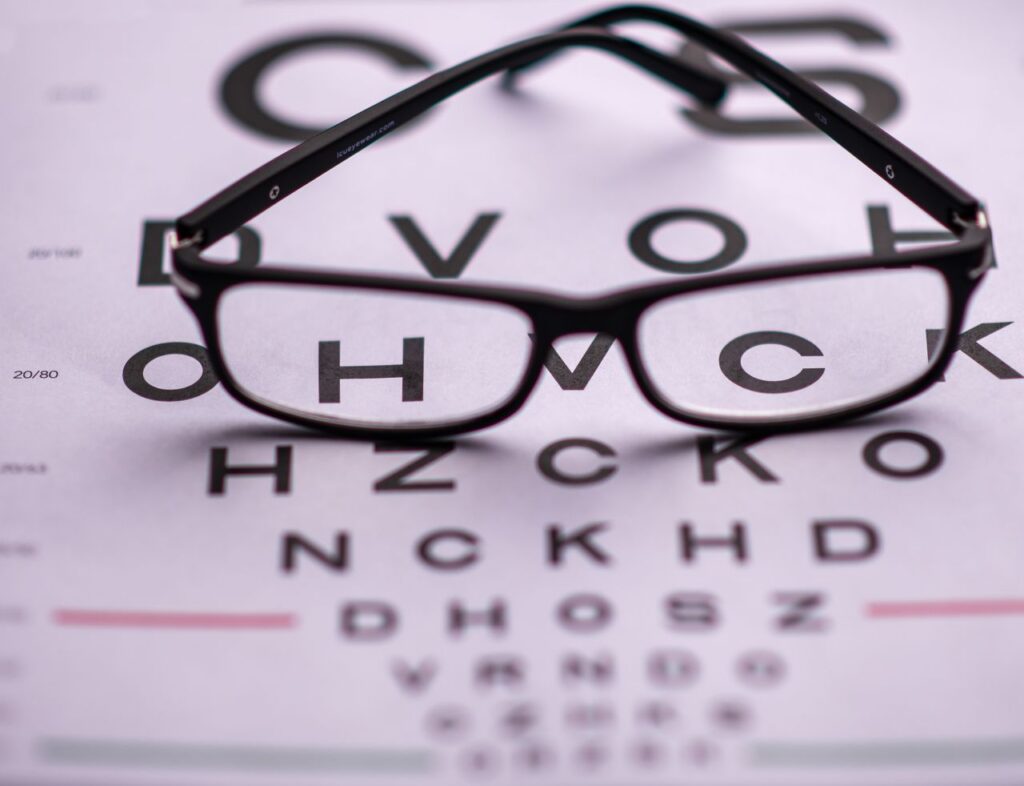
If you’re getting ready for a DOT physical, you may be wondering whether your eyesight is good enough to qualify for your DOT medical card. The good news is that you do not need perfect vision to pass a DOT physical. You can wear glasses or contact lenses and still meet the vision requirements. Here’s what you need to know before your exam. What Are the Vision Requirements for a DOT Physical? Under FMCSA requirements, drivers generally need to meet three main vision standards: Let’s break those down. Do You Need 20/20 Vision to Pass a DOT Physical? No. You generally need 20/40 or better vision in each eye separately. That means each eye is tested individually during your DOT physical. If your vision doesn’t meet the requirement without correction but reaches 20/40 with glasses or contact lenses, you may still qualify. Your medical certificate will indicate that you must wear corrective lenses while driving. Can You Wear Glasses for a DOT Physical? Yes. Wearing glasses does not prevent you from getting a DOT medical card. If you normally wear glasses for driving, bring them with you to your DOT physical. Your vision can be tested while you’re wearing them.The same applies to contact lenses. What About Peripheral Vision? Your DOT physical doesn’t only check how clearly you can see what’s directly in front of you. Peripheral vision matters too. Drivers generally need a field of vision of at least 70 degrees in the horizontal meridian in each eye. This is important because commercial drivers need to be able to recognize vehicles, pedestrians, road hazards, and other activity occurring around them. Is There a Color Vision Test? Yes.DOT drivers must be able to recognize the standard traffic signal colors: Red, green, and Yellow. This does not necessarily mean that simply having a diagnosis of color blindness automatically disqualifies you. The standard focuses on whether you can recognize the required traffic signal colors. What If One Eye Doesn’t Meet the Vision Requirement? This is where the rules are a little different. FMCSA has an alternative vision standard that may allow certain drivers who do not meet the standard vision requirement in one eye to still qualify. This typically requires an evaluation by an ophthalmologist or optometrist and additional documentation before the DOT medical examination. So if you know that you have significantly reduced vision in one eye, it can be helpful to address it before arriving for your DOT physical rather than finding out during the exam that additional paperwork is needed. What Should You Bring to Your DOT Physical? If you wear glasses or contacts, bring and wear them to your appointment. If you have a significant vision condition, have had recent eye surgery, or know that one eye does not meet the standard DOT vision requirements, additional documentation from your eye doctor may be needed. Having the right information ready can help prevent unnecessary delays in completing your DOT physical. Need a DOT Physical in Connecticut? Getting your DOT medical card shouldn’t have to be stressful. At DOT On The Spot, we understand how important your medical card is to your livelihood. That’s why we make the DOT physical process easy and convenient by bringing the exam directly to you. Whether you’re an individual driver who needs to renew your medical card or a Connecticut fleet that needs multiple drivers examined, we’re here to help keep you driving. Need your DOT physical? Call or text 203-203-4368 to schedule.
Back to School: A Safety Checklist for Connecticut Bus Drivers

Every August, Connecticut’s roads fill back up with school buses, and with them comes one of the most important responsibilities in transportation: keeping kids safe on their way to and from school. Whether you’ve been driving a route for twenty years or you’re getting ready for your first back-to-school season, a little preparation now goes a long way once the first bell rings. Here’s a practical checklist to help you start the year off safe, compliant, and ready. 1. Make Sure Your DOT Medical Card Is Current Before you think about routes, mirrors, or student rosters, check the basics: is your DOT medical certification up to date? An expired card can put your route and your paycheck on hold. If it’s close to expiring, get it renewed before the first day, not after. 2. Inspect the Bus, Every Time A pre-trip inspection isn’t just a box to check. Brakes, tires, mirrors, lights, and emergency exits all need a real look before every route, especially in the first weeks of the year when buses may have sat idle over the summer. Small issues are much easier to catch in the yard than on the road. 3. Refresh Your Emergency Procedures Evacuation drills, first-aid basics, and what to do in a breakdown or accident. These are things every driver knows, but it’s worth reviewing them before the year starts rather than in the middle of an actual emergency. If your district runs a refresher training, don’t skip it. 4. Know Your Route Before Day One New students, new stops, or changed traffic patterns can catch even experienced drivers off guard. Drive your route in advance if you can, especially any new construction zones or altered stop locations that came up over the summer. 5. Watch for New Drivers on the Road The start of the school year also means more inexperienced drivers back on the road. Some picking up younger siblings, some just getting used to school-zone patterns again after a summer away. Extra caution around drop-off and pick-up times isn’t optional; it’s the job. 6. Take Care of Yourself, Too Long routes, early mornings, and split shifts are hard on the body. Fatigue is one of the most overlooked safety risks for any commercial driver. Prioritize sleep, stay hydrated, and don’t be afraid to flag it to your supervisor if a schedule feels unsustainable. A Faster Way to Handle Your DOT Physical If your DOT medical card is expiring soon, you don’t have to spend a morning at an urgent care to get it renewed. DOT On The Spot brings certified DOT physicals directly to your bus yard, wherever you’re parked in Connecticut. No clinic visit, no lost hours. Just a fast, professional exam so you can get back to what matters: getting ready for the school year. 📞 Call or text 203-203-4368 to schedule.
Connecticut Bus Drivers Face Risks Most Drivers Never See

When most people think about bus driving, they picture someone sitting behind a large steering wheel, following a route, and transporting passengers from one stop to the next. Connecticut bus drivers know the reality is very different. Whether you’re driving for a school district, transit agency, charter company, university, or private contractor, you’re constantly dealing with conditions that most motorists never experience. Congested highways, aggressive drivers, unpredictable weather, and dense urban traffic can turn an ordinary route into a challenging day behind the wheel. The truth is that the greatest threat to Connecticut bus drivers often isn’t their own driving—it’s everyone else’s. Connecticut’s Roads Are Becoming More Challenging Anyone who drives regularly through Hartford, New Haven, Bridgeport, Stamford, Waterbury, or along I-95 knows that traffic patterns have changed significantly over the last several years. Drivers are more distracted. More motorists are looking at phones. Traffic congestion is increasing. Many drivers have little understanding of the space and stopping distance a bus requires. Bus drivers routinely encounter motorists who: Professional drivers must constantly anticipate mistakes made by other road users. The I-95 and I-84 Challenge Two of Connecticut’s busiest corridors—Interstate 95 and Interstate 84—present unique hazards for bus operators. Traffic can move from 65 mph to a complete stop within seconds. Construction zones frequently shift traffic patterns. Drivers unfamiliar with the area often make last-second lane changes. For bus operators, maintaining adequate following distance is critical. Unfortunately, many motorists see that space as an invitation to merge. Experienced drivers understand that the safest following distance is often larger than what traffic conditions seem to allow. School Zones Are Not the Only High-Risk Areas Many people assume school zones present the greatest danger for bus drivers. In reality, some of the most unpredictable situations occur in downtown areas and transit hubs. Locations such as: often involve pedestrians, cyclists, rideshare vehicles, delivery trucks, and passenger vehicles competing for the same limited space. A bus driver may be monitoring mirrors, watching pedestrians, checking traffic signals, and communicating with passengers simultaneously. Situational awareness becomes more important than vehicle handling skills. Connecticut Weather Creates Constant Challenges Connecticut drivers can experience all four seasons in a single week. Bus drivers must be prepared for: Many crashes occur not because drivers are traveling too fast for the speed limit, but because they’re traveling too fast for the conditions. The safest Connecticut bus drivers understand that weather—not the posted speed limit—should often determine their speed. Fatigue Doesn’t Just Affect Long-Haul Drivers Many people associate driver fatigue with over-the-road trucking. Bus drivers face fatigue risks as well. Early morning routes, split shifts, seasonal schedule changes, and long workdays can all impact alertness. Fatigue affects: The challenge is that fatigue often develops gradually, making it difficult for drivers to recognize in themselves. Professional drivers should treat adequate sleep as an essential safety tool, just like brakes and tires. Your Health Directly Impacts Your Driving Many commercial drivers focus on maintaining their vehicles while neglecting their own health. Conditions such as: can affect driving performance long before obvious symptoms develop. This is one reason DOT physicals are so important. They are designed to identify medical conditions that could impact safe operation before they become serious problems. A medical certification is not simply a regulatory requirement—it is an important part of keeping drivers, passengers, and the public safe. The Best Connecticut Bus Drivers Share One Trait After years of driving Connecticut’s roads, the safest drivers develop a common mindset. They never assume. They never assume traffic will behave predictably. They never assume weather conditions will remain unchanged. They never assume a familiar route is free of hazards. Every trip is approached with the understanding that conditions can change at any moment. That mindset—not experience alone—is what keeps professional drivers safe. Stay Healthy. Stay Certified. Stay on the Road. For Connecticut bus drivers, maintaining a valid medical certification is an essential part of professional driving. Regular DOT physicals help identify health concerns early and ensure you remain qualified to operate safely. DOT On The Spot provides convenient DOT physicals throughout Connecticut, helping professional drivers stay compliant and keep moving. Call or Text 203-203-4DOT (4368) to schedule.
What Actually Happens During a DOT Physical Urinalysis? (Hint: It’s Not a Drug Test)
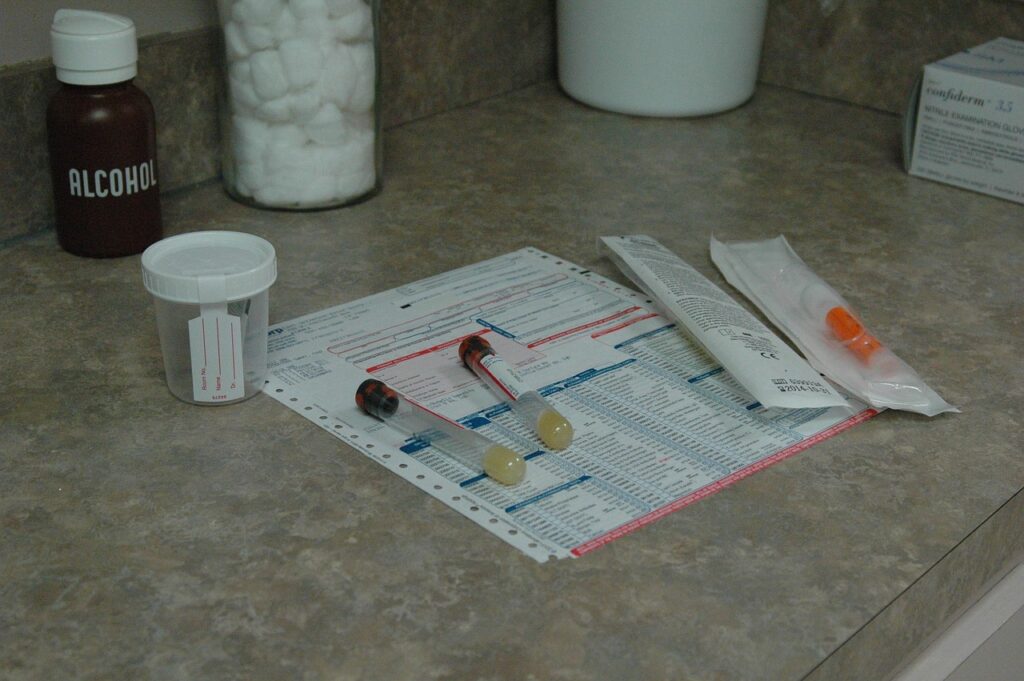
Ask a group of CDL drivers what makes them most nervous about their upcoming DOT physical, and a huge chunk of them will say the exact same thing: peeing in the cup. There is a massive, incredibly common myth floating around truck stops and driver breakrooms that the urinalysis done during your DOT physical is a secret, zero-tolerance drug screening. Let’s clear the air right now: It isn’t. As a Certified Medical Examiner running a mobile clinic, I see this anxiety face-to-face every week. Drivers walk into my truck with their heart rates spiking—which drives up their blood pressure—all because they misunderstand what that little plastic cup is actually for. Here is exactly what happens when we test your urine, what we are actually looking for, and why it matters for your medical card. The Big Myth: Urinalysis vs. Drug Testing Let’s separate these two entirely because the Federal Motor Carrier Safety Administration (FMCSA) treats them as completely different protocols: Bottom Line: While your employer might ask me to do a drug test at the same time as your physical, the standard urine cup you fill out for your DOT medical card is strictly looking for health red flags, not substances. The Three Things We Actually Look For When you hand me that cup inside the mobile unit, I don’t send it to a lab. I use a chemical dipstick right there in front of you. Within 60 seconds, that strip tells me if there are abnormal levels of three specific markers: 1. Sugar (Glucose) 2. Protein (Albumin) 3. Blood (Hemoglobin) What Happens If My Dipstick Isn’t Perfect? Failing to get a “perfect” reading on your urine test does not mean your career is over. It simply means we need to dig a little deeper to make sure you are safe behind the wheel. Skip the Stress The DOT physical isn’t designed to catch you or trick you; it’s a preventative safety net to make sure an undiagnosed medical emergency doesn’t happen while you’re cruising down the interstate at 65 MPH. Now that you know what actually happens to that cup, you can take a deep breath. Drink a couple of glasses of water before your appointment, relax, and let us bring the clinic directly to you. Need to renew your CDL Medical Card without the clinic hassle? Our fully self-contained mobile medical truck brings certified FMCSA physicals straight to your driveway, truck stop, or fleet yard anywhere in Connecticut.
What You Need to Know About ADHD Medications and DOT Physicals

Can Drivers Take ADHD Medications and Pass a DOT Physical? Many commercial drivers take medication to manage Attention-Deficit/Hyperactivity Disorder (ADHD) and wonder whether it will affect their ability to obtain or renew a DOT medical certificate. The good news is that taking ADHD medication does not automatically disqualify a driver from passing a DOT physical. The Federal Motor Carrier Safety Administration (FMCSA) requires medical examiners to evaluate each driver individually. Rather than focusing solely on the medication itself, the examiner assesses whether the driver’s condition is stable, well-managed, and unlikely to interfere with the safe operation of a commercial motor vehicle. Common ADHD medications include Adderall, Vyvanse, Ritalin, Concerta, and other stimulant medications. Many drivers safely and successfully use these medications while maintaining an active CDL and DOT medical certification. During a DOT physical, the medical examiner may ask questions about: One of the most important factors is stability. Drivers who have been on the same medication regimen for an extended period of time without significant side effects are often easier to evaluate than those who have recently started or changed medications. Medical examiners are particularly interested in potential side effects that could impact driving performance. These may include excessive drowsiness, dizziness, impaired concentration, mood changes, or cardiovascular symptoms such as elevated blood pressure or heart rate. In most cases, a medical examiner may request additional documentation from the driver’s treating healthcare provider. This documentation may confirm that the driver’s condition is stable, treatment is effective, and the medication does not impair the driver’s ability to safely operate a commercial vehicle. Drivers can help make the certification process smoother by having their treating provider complete the FMCSA Medication Form (https://www.fmcsa.dot.gov/sites/fmcsa.dot.gov/files/2023-09/Medications%20Form%2C%20MCSA-5895%20Form%209-11-2023%20508.pdf )prior to their exam. The key takeaway is that ADHD medication alone is not a disqualifying condition. Many drivers who take prescribed ADHD medications receive DOT medical certification every year. Certification decisions are based on the driver’s overall medical status, treatment stability, and ability to safely perform the duties of a commercial driver. If you have questions about ADHD medications and DOT certification, you can call DOT On The Spot at any time.
New 2026 DOT Regulations: What CT CDL Drivers Need to Know to Stay Comliant

If you’re a commercial driver in Connecticut, the way you handle your DOT Physical just underwent its biggest change in a decade. As of 2026, the era of the “paper medical card” is officially ending, replaced by a high-tech electronic system called National Registry II (NRII). At Dot On The Spot, we know that for a driver, “time is money.” Here is the breakdown of the new 2026 rules and how they affect your next exam. 1. The Digital Handshake: No More DMV Visits? Starting in late 2025 and fully taking hold in 2026, the Connecticut DMV has officially synced with the federal National Registry. 2. The “Paper Card” is Now Just a Backup There has been some confusion recently due to a temporary federal exemption. As of April 11, 2026, the FMCSA issued a 6-month waiver (running through October 2026) that allows drivers to continue using a paper copy of their Medical Examiner’s Certificate (MEC) as proof of medical certification for up to 60 days after the exam. Why does this matter? It’s a safety net. While the digital system is the “official” record, you should still keep that paper certificate in your cab. If a roadside inspector pulls you over and the digital system is lagging, that paper card is your “get out of jail free” card. 3. Midnight Deadlines for Examiners Under the new 2026 rules, medical examiners are now under strict pressure. We are required to upload your results by midnight of the next calendar day. This is great news for drivers because it means your “Certified” status hits the system almost immediately, reducing the risk of your license being “downgraded” to a standard Class D. 4. The “Pending” Trap The new digital system is less forgiving. If you arrive at an exam without the proper documentation for conditions like Sleep Apnea (CPAP logs) or Diabetes (A1C levels), your exam can be placed in a “Pending” status. In 2026, the windows for resolving these pending statuses are tighter. If the documentation isn’t uploaded quickly, the system can automatically flag the exam as incomplete. Our Advice: Always call ahead to see exactly what records you need to bring. (Or better yet, check out our Driver Screening Checklist.) 5. Why Mobile Exams are the 2026 Solution With these new digital requirements, accuracy is everything. At Dot On The Spot, we use 2026-compliant software to ensure your results are transmitted to the National Registry before we even leave your driveway or job site. We take the stress out of the new regulations by coming to you—no waiting rooms, no DMV lines, and no digital headaches. Need a 2026-Compliant DOT Physical in Connecticut? Don’t risk a license downgrade. Let the experts at Dot On The Spot handle your medical certification with the latest electronic reporting tools.
High Blood Pressure: Causes, Risks, and How to Control It (Connecticut Guide)
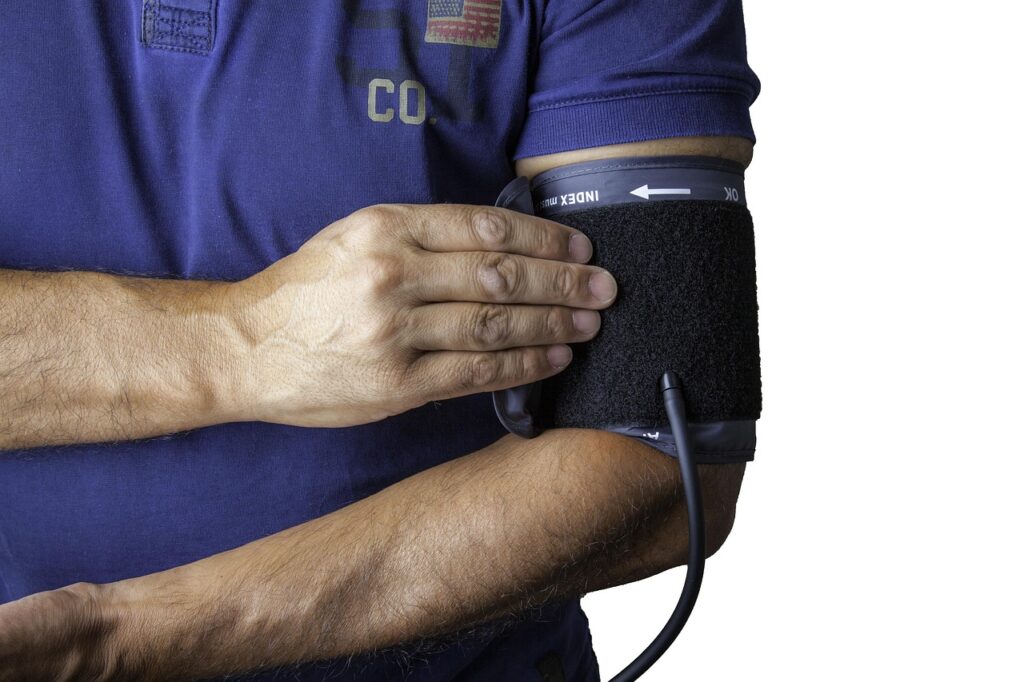
High blood pressure, also known as hypertension, affects millions of people and is one of the most common health conditions in the United States. For drivers and working professionals across Connecticut, understanding how to control blood pressure is essential for long-term health and job readiness. Whether you’re preparing for a checkup or just want to stay healthy, knowing your numbers and how to manage them can make a major difference. What Causes High Blood Pressure? Blood pressure increases when the force of blood pushing through your arteries stays consistently elevated. This can be caused by a combination of lifestyle and health factors, including: For many people, especially those with demanding schedules, these factors can add up quickly. Why High Blood Pressure Is Dangerous High blood pressure is often called the “silent killer” because it usually has no obvious symptoms. Over time, it can lead to serious health problems such as: Left unmanaged, it puts constant strain on your heart and blood vessels. Signs You Should Check Your Blood Pressure Even though high blood pressure doesn’t always show symptoms, you should monitor it regularly—especially if you: Regular monitoring is the only way to truly know your numbers. How to Control Blood Pressure Naturally If you’re looking for ways to lower your blood pressure, small changes can have a big impact. 1. Improve Your Diet One of the biggest contributors to high blood pressure is diet. Focus on: 2. Stay Active Throughout the Day Even light activity can help lower blood pressure. Try to: 3. Manage Stress Stress plays a major role in elevated blood pressure. Helpful habits include: 4. Drink More Water Staying hydrated helps your body regulate blood pressure more effectively. 5. Be Consistent With Medications If you’ve been prescribed medication, taking it regularly is essential to keeping your blood pressure under control. Blood Pressure and Routine Health Exams in Connecticut Regular health checks are one of the best ways to stay ahead of potential problems. Monitoring your blood pressure during routine exams helps catch issues early and keep you on track. For many working professionals and drivers in Connecticut, keeping blood pressure under control is not just about health—it’s also about staying compliant with required medical certifications. Take Control of Your Health Managing your blood pressure doesn’t require drastic changes. By staying consistent with healthy habits and monitoring your numbers, you can significantly reduce your risk of long-term health issues. Final Thoughts Your blood pressure is a key indicator of your overall health. Understanding what affects it and how to control it can help you stay active, productive, and healthy for years to come.
Daily Health Habits Every Commercial Driver Should Follow

Most driver health problems do not come from one big issue. They come from small habits repeated every day on the road. The goal is not perfection, it is consistency. 1. Start the day with water, not caffeine Dehydration is common in drivers and can affect energy, focus, and blood pressure. Starting with water helps stabilize your system before caffeine or food. 2. Eat something balanced within the first few hours Skipping meals leads to energy crashes and poor food choices later. Better options: 3. Move your body every few hours Long sitting periods reduce circulation and increase fatigue. Simple approach: 4. Control caffeine timing Caffeine is useful, but timing matters. 5. Keep sleep as consistent as possible Irregular sleep patterns affect reaction time and focus. 6. Watch salt intake during the day High sodium foods contribute to fatigue and blood pressure spikes. Common sources: 7. Stay mentally alert, not just physically awake Mental fatigue can build even if you feel physically fine. Signs include: Take breaks when this happens instead of pushing through. 8. Keep basic health information organized Drivers should always have: This reduces stress during DOT physicals and unexpected checks. 9. Do a quick end-of-day reset Before finishing the shift: Bottom line Daily habits matter more than occasional fixes. Drivers who stay consistent with hydration, movement, sleep, and food choices tend to have fewer health issues and fewer DOT-related delays over time.
What Every Fleet Manager Should Know About DOT Physicals (But Most Don’t)

DOT physicals are supposed to be simple. A 15-minute exam. Basic compliance. Get the driver cleared and back to work. But in reality, most fleet managers deal with delays, lost hours, inconsistent exams, and unnecessary headaches, especially when relying on urgent care clinics. The problem is not the exam.It is how the process is being handled. 1. A 15-Minute Exam Should Not Take Half a Day This is the biggest disconnect. The actual DOT physical takes about 15 minutes. But when drivers are sent off-site, you are not paying for 15 minutes, you are losing hours. Travel time. Waiting rooms. Paperwork delays. Multiply that across multiple drivers and it turns into a serious operational problem. Most managers accept this as normal. It is not. 2. Not Every Provider Understands DOT Requirements A DOT physical is not a standard check-up. It requires a certified medical examiner who understands FMCSA guidelines, documentation, and disqualifying conditions. When exams are done in general clinics, there is often: That leads to drivers being held up, or worse, compliance risks for your company. 3. Poor Scheduling Is Costing You More Than You Think Most fleets handle DOT physicals reactively. A card is about to expire, so the driver is sent out to a clinic. This creates: A structured approach, batching exams and planning ahead, eliminates most of this friction. 4. The Real Cost Isn’t the Exam, It’s the Downtime The price of a DOT physical is not the issue. The real cost is: When a driver is gone for hours over a 15-minute exam, that is where companies lose money. 5. There Is a Better Way to Handle It Fleets that run efficiently do not treat DOT physicals as an afterthought. They: When the process is done right, drivers are in and out quickly, paperwork is handled correctly, and operations stay on track. The Bottom Line DOT physicals are not complicated. But the way most companies handle them is. If your drivers are still leaving the yard, sitting in waiting rooms, and losing hours for a simple exam, the issue is not compliance. It is the system.