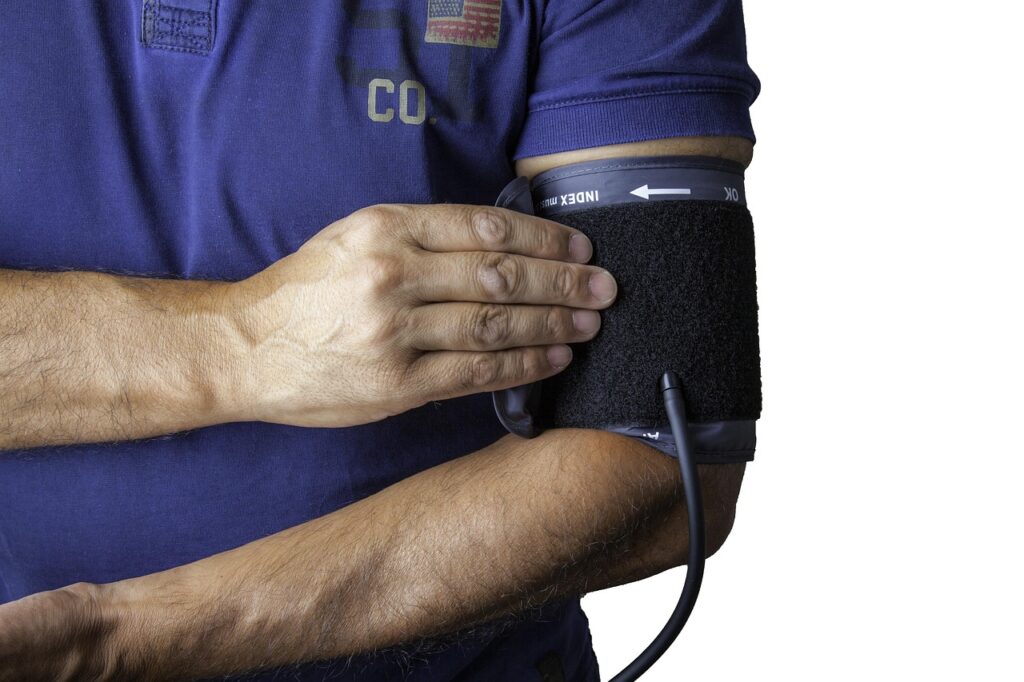
High blood pressure, also known as hypertension, affects millions of people and is one of the most common health conditions in the United States. For drivers and working professionals across Connecticut, understanding how to control blood pressure is essential for long-term health and job readiness. Whether you’re preparing for a checkup or just want to stay healthy, knowing your numbers and how to manage them can make a major difference.
What Causes High Blood Pressure?
Blood pressure increases when the force of blood pushing through your arteries stays consistently elevated. This can be caused by a combination of lifestyle and health factors, including:
- High sodium (salt) intake
- Lack of physical activity
- Stress and long work hours
- Being overweight
- Smoking or excessive alcohol use
For many people, especially those with demanding schedules, these factors can add up quickly.
Why High Blood Pressure Is Dangerous
High blood pressure is often called the “silent killer” because it usually has no obvious symptoms. Over time, it can lead to serious health problems such as:
- Heart disease
- Stroke
- Kidney damage
- Vision problems
Left unmanaged, it puts constant strain on your heart and blood vessels.
Signs You Should Check Your Blood Pressure
Even though high blood pressure doesn’t always show symptoms, you should monitor it regularly—especially if you:
- Feel frequent headaches
- Experience fatigue or dizziness
- Have a family history of hypertension
- Work long hours with limited physical activity
Regular monitoring is the only way to truly know your numbers.
How to Control Blood Pressure Naturally
If you’re looking for ways to lower your blood pressure, small changes can have a big impact.
1. Improve Your Diet
One of the biggest contributors to high blood pressure is diet.
Focus on:
- Reducing processed foods
- Limiting salt intake
- Eating more fruits and vegetables
2. Stay Active Throughout the Day
Even light activity can help lower blood pressure.
Try to:
- Walk daily
- Stretch during breaks
- Stay moving when possible
3. Manage Stress
Stress plays a major role in elevated blood pressure.
Helpful habits include:
- Taking short breaks
- Practicing deep breathing
- Getting enough sleep
4. Drink More Water
Staying hydrated helps your body regulate blood pressure more effectively.
5. Be Consistent With Medications
If you’ve been prescribed medication, taking it regularly is essential to keeping your blood pressure under control.
Blood Pressure and Routine Health Exams in Connecticut
Regular health checks are one of the best ways to stay ahead of potential problems. Monitoring your blood pressure during routine exams helps catch issues early and keep you on track.
For many working professionals and drivers in Connecticut, keeping blood pressure under control is not just about health—it’s also about staying compliant with required medical certifications.
Take Control of Your Health
Managing your blood pressure doesn’t require drastic changes. By staying consistent with healthy habits and monitoring your numbers, you can significantly reduce your risk of long-term health issues.
Final Thoughts
Your blood pressure is a key indicator of your overall health. Understanding what affects it and how to control it can help you stay active, productive, and healthy for years to come.